The Book of Psalms
Old Testament
Psalms Summary — Book Overview
- Author
- David and various authors
- Written
- ~1000–400 BC
- Testament
- Old Testament
- Chapters
- 150
- Key Theme
- Worship, prayer, and the full range of human experience before God.
- Written For
- The worshipping community of Israel
Introduction of Psalms
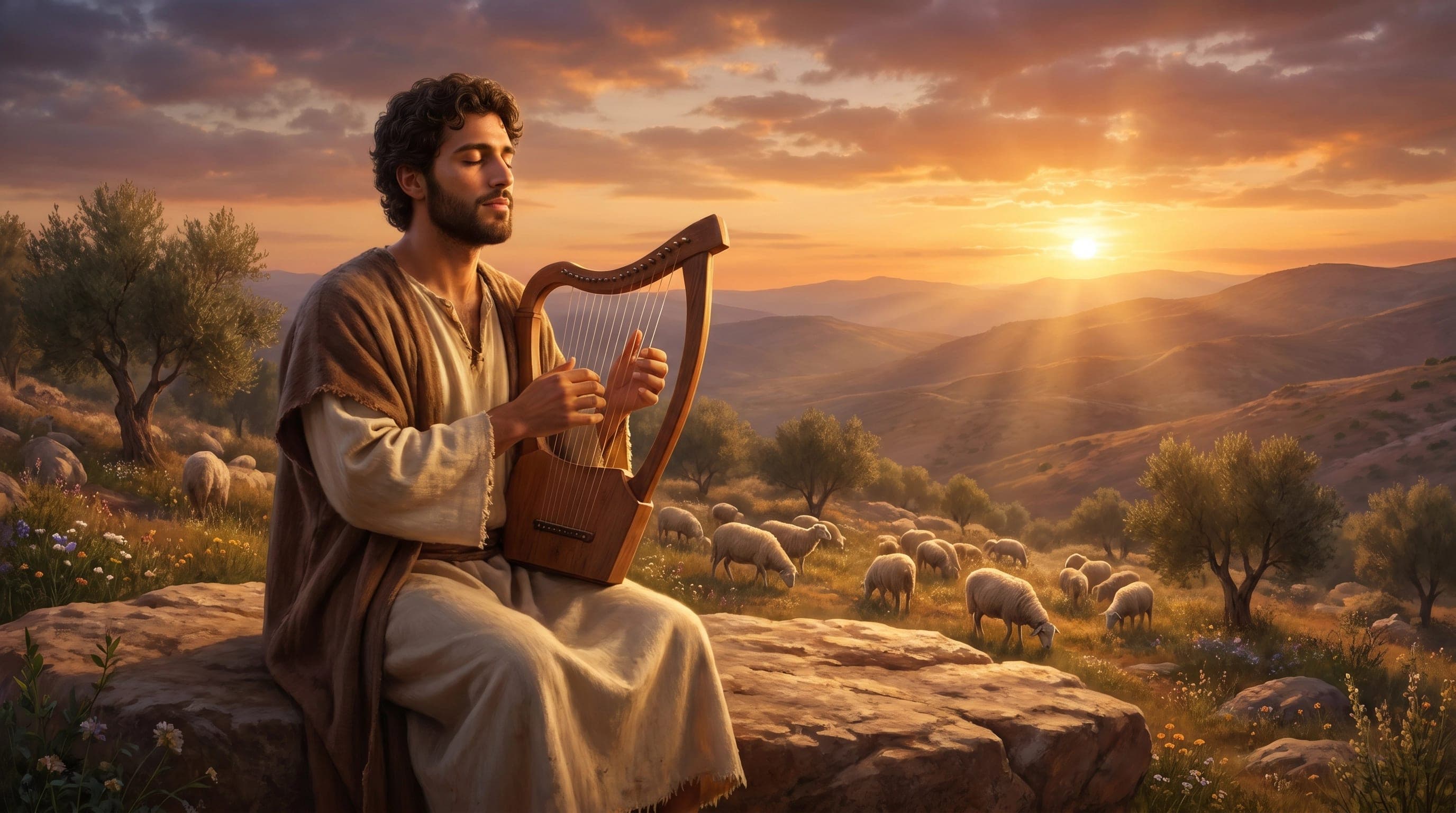
Psalms, meaning “songs” or “praises,” is the Bible’s ancient hymnbook. Compiled over many centuries (roughly 10th to 5th centuries BC) by various authors including David, Asaph, and the sons of Korah, it gathers 150 poetic prayers and songs. David, Israel’s shepherd-king, features prominently as both a writer and central figure. The collection captures the full range of human emotion — from ecstatic joy and deep repentance to doubt, anger, and profound trust. These timeless songs give voice to every season of the soul and invite readers into raw, honest conversation with God.
Frequently Asked Questions About Psalms
The Psalms were written by multiple authors, including David (who wrote approximately half), Asaph, the sons of Korah, Solomon, Moses, and others.
There are 150 Psalms in the Bible, making it the longest book in Scripture.
Psalms covers the full range of human emotion in relationship with God — praise, lament, thanksgiving, confession, and trust.
Psalm 23, "The LORD is my shepherd," is widely considered the most beloved and recognized Psalm in the Bible.