The Book of Revelation
New Testament
Revelation Summary — Book Overview
- Author
- John (the apostle)
- Written
- ~AD 90–95
- Testament
- New Testament
- Chapters
- 22
- Key Theme
- The ultimate victory of God over evil and the restoration of all things.
- Written For
- The seven churches in Asia Minor
Introduction of Revelation
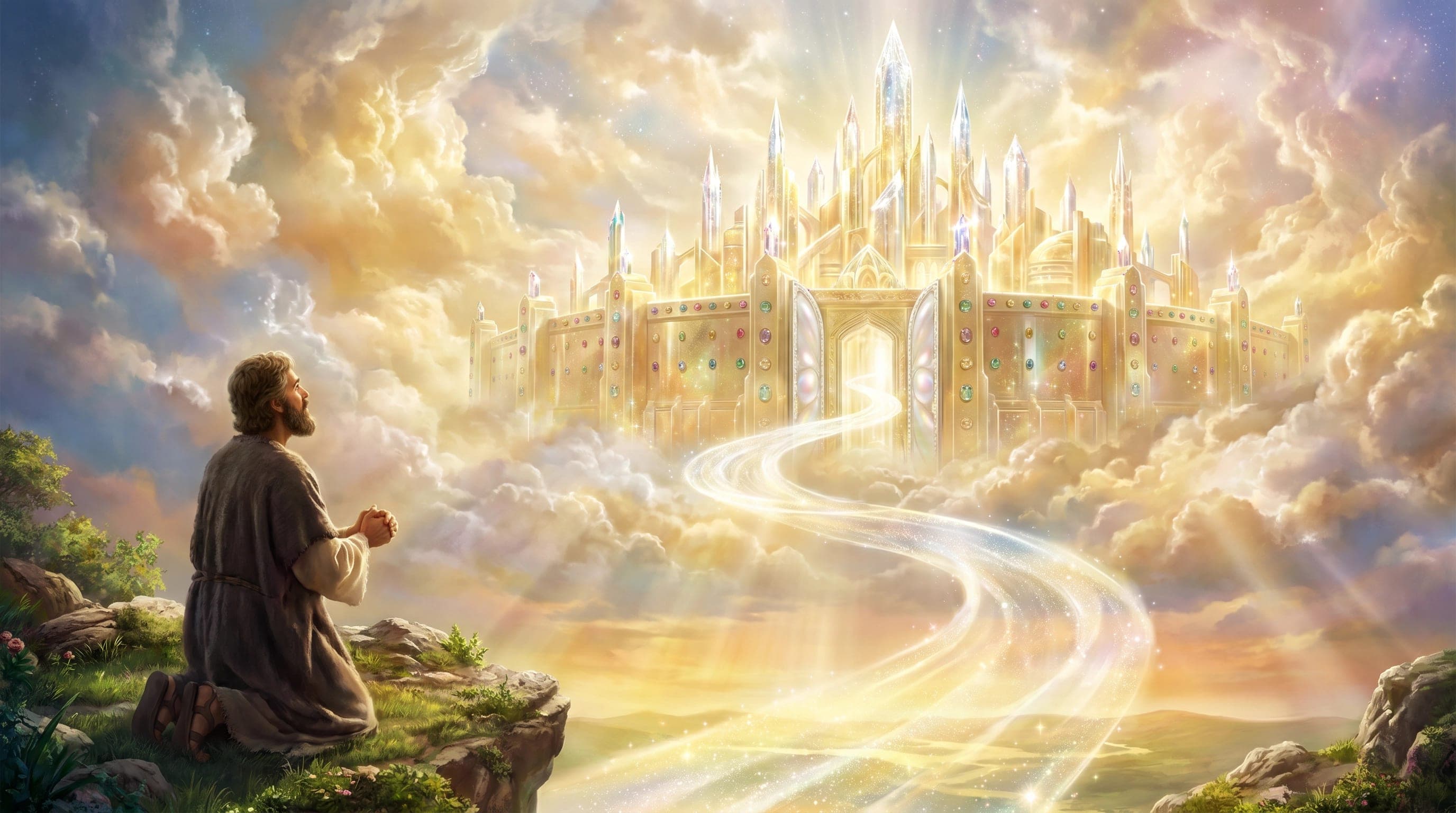
Revelation, meaning “unveiling,” was written by the apostle John while exiled on the island of Patmos around AD 95. Addressed to seven real churches facing persecution, the book uses striking apocalyptic imagery, symbols, and visions to reveal Jesus Christ as the victorious King and Judge. From letters to the churches through cosmic battles to the final renewal of all things, John unveils God’s sovereign plan and ultimate triumph over evil.
Frequently Asked Questions About Revelation
Revelation was written by the Apostle John while he was exiled on the island of Patmos, likely around 95 AD.
Revelation is a prophetic vision of the end times, the final judgment, the defeat of evil, and the establishment of God's eternal kingdom.
The number 666 in Revelation 13:18 is described as the "number of the beast" — widely interpreted as a symbol of human imperfection, opposition to God, or a specific figure of evil.
Revelation uses highly symbolic and apocalyptic language. Most scholars agree it blends literal and figurative elements, with imagery drawn from Old Testament prophecy, Jewish apocalyptic tradition, and visionary experience.